How will new Syria affect Malaysia?
By Zan Azlee
The things that have been happening in the international, err… world, have been quite interesting recently.
First, we had the former US president Donald Trump winning the election and beating vice-president Kamala Harris. Then, we saw South Korea going under martial law for six hours before it was lifted by the country’s National Assembly and President Yeon Suk Yeol could now be impeached.
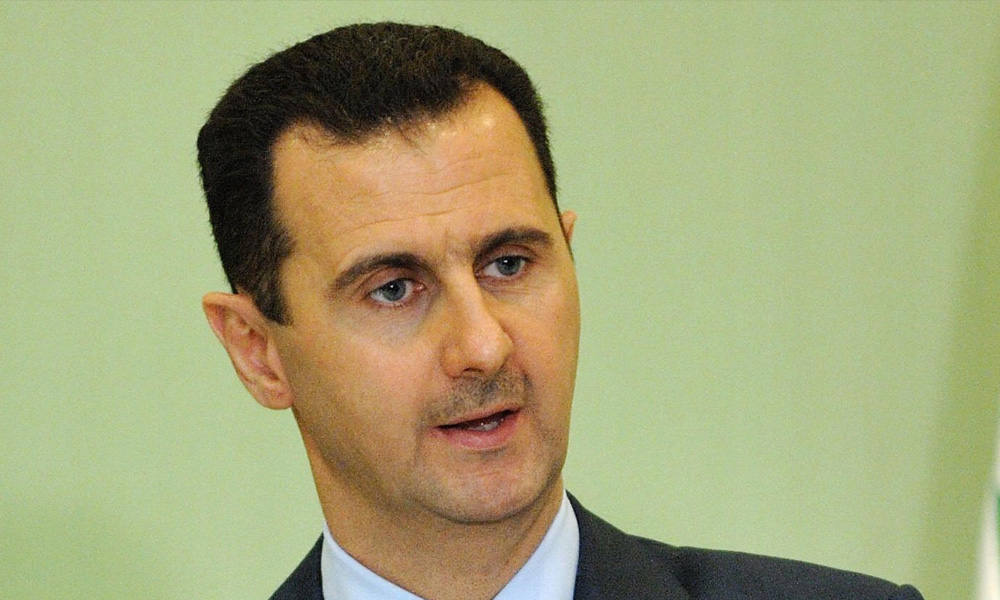
Most recently, and what is most interesting to me, is how the rebel groups in Syria finally ousted President Bashar al-Assad (or should I say the former president) after 13 years of civil war which destroyed the country terribly.
Assad comes from an authoritarian family that has been ruling the country brutally for fifty years.
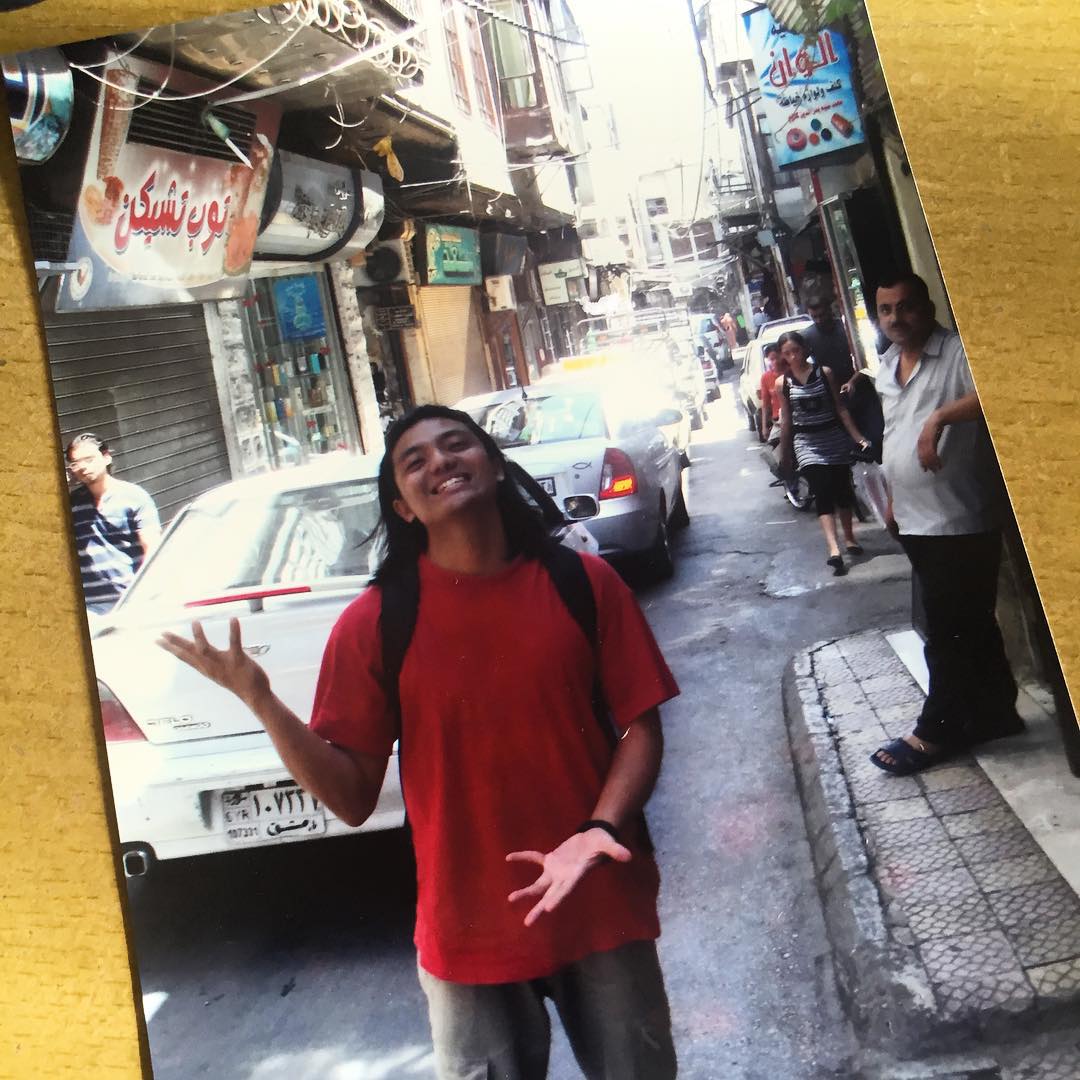
I went to Syria in 2006 to shoot a documentary. At that time, Syria was not at war yet. At the outset, it was a peaceful country, although it was ruled by Assad. Tourism was at its height and the capital Damascus was teeming with Western and Asian tourists all flocking to Old Damascus where the famous Straight Road was (which the Romans built).
I was using Damascus as a base to enter Lebanon which was going through conflict at that time because fighting broke out between Hezbollah and Israel. There was no way into Lebanon at that time except by land via Syria.
So, I had to take a local bus to cross the border. I stayed in Lebanon for two weeks and then hired a car and driver to drive me back to Damascus. But that’s a story for another day.
When the Arab Spring happened in 2011 in the Middle East, Syria was caught up in it too and the people started rebelling against the ruling Alawite family.
Of course, Assad doubled down on the retaliation and full-blown war broke out, with ISIS taking advantage of the situation. The violence was catastrophic, and it launched a global war on terror and extremism.
I tried to get back to Damascus to report on the war, but I was unsuccessful. I was reporting throughout the region on the Arab Spring, and I got as close as I could, filing reports from Tunisia, Egypt and Turkey.
I even had a flight ticket booked from Cairo to Damascus, but unfortunately, fate determined that I was not to enter Syria and my flight was cancelled. After a month in the Middle East, I returned home.
So, what does all this mean for Malaysia and Malaysians? One might be fooled to think that none of this would affect us in any way at all. However, there are a few things that I think that we as Malaysians to be concerned about.
Religious extremism
One of the most important issues is to see how the new transition of power in Syria is going to affect religious extremism in our country.
If you remember clearly when ISIS started rising in power in Syria after 2011, many Muslims around the world who were disgruntled, oppressed or disillusioned (and many other reasons that are quite complicated to understand) decided to join the call of the terrorist group. Those around the Middle East, in Europe, America and Asia were running off to join the fight.
Even in Malaysia, we had many individuals who joined the violent movement in Syria. Many died and some were caught, charged, and found guilty of terrorism. I interviewed a few of them who were convicted and detained in prison.
You can watch the documentary series called “Saya Bekas Ekstremis” which I did in collaboration with the Southeast Asia Regional Centre for Counter Terrorism (SEARCCT).
So, the rise in religious extremism is something we need to watch out for. The rebel group that finally managed to oust al-Assad is Hayat Tahrir al-Sham. This group came about in 2011 when the rebellion started and is an offshoot of Al-Qaeda (which is responsible for the 9/11 World Trade Centre attack). And we all know how violent and extreme Al-Qaeda can be.
However, it does seem that they are trying to rebrand themselves. In 2016, its leader Abu Mohammed al-Jawlani publicly cut ties with Al-Qaeda. The move was to appear more appealing to Syrians and probably the international community as well.
They started to concentrate on more practical governance such as local administration, economics, healthcare and humanitarian aid.
This is very similar to how the Taliban started to rebrand after they jostled for power in Afghanistan. It does sound like a pragmatic move, but I think the international community still needs to be wary of the situation.
Many of these organisations are very savvy in public relations and media communication. This is very much a time when we have to wait and see how things develop.
Another thing that I feel we need to pay attention to is the reaction of Russia towards what has happened. It is a known fact that Russia is a supporter of the Assad regime and even has a military base in Syria. It has also been reported that Assad and his wife have fled to Moscow and are given refuge there. This could be seen as a big blow to Russia.
There are two things that I think could happen here. First, this could be a reason for Russia to go on a more aggressive approach when it comes to Ukraine because they now have to assert more power after losing influence in the Middle East.
It could also mean that Ukraine and the rest of the international community could see this as an opportunity to rise against Russia.
Treading carefully
From a Malaysian perspective, as a more or less neutral party, we need to tread carefully. Our country has recently just joined Brics, which is a geopolitical economic group originally consisting of Brazil, Russia, India and China.
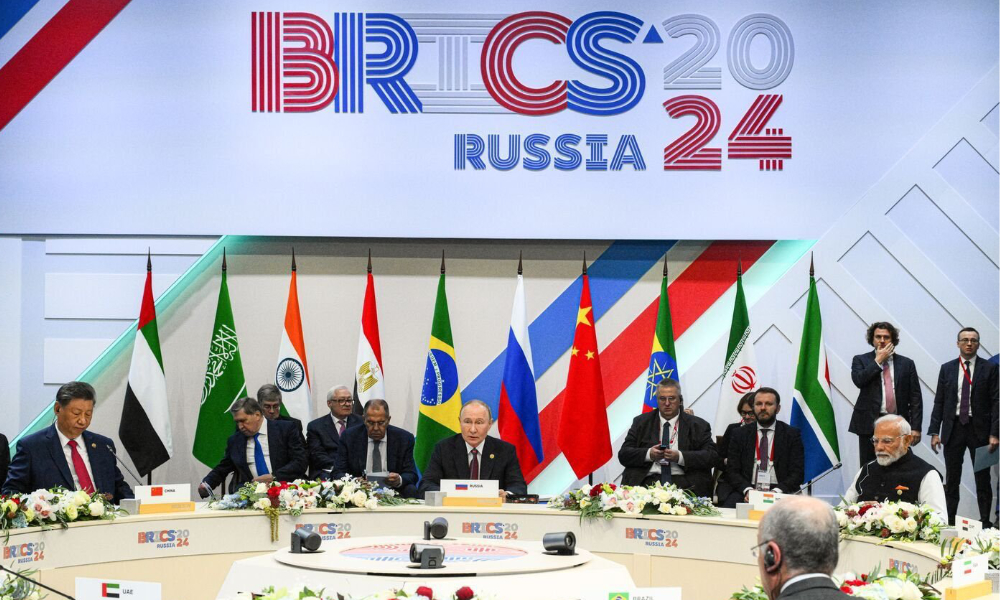
It has now expanded to include South Africa, Iran, Ethiopia, Egypt, the UAE and now Malaysia as well. It is supposed to enhance and promote economics and trade.
Now we are all aware of the existence of the rivalry between the United States of America (and the rest of the Western bloc) with Russia (and China). Malaysia, as a sovereign country, has always maintained good relationships with all sides, from the US, a strong ally, and also with China and Russia.
If our government continues to stress that we can work with everyone, then it should be okay.
However, it is still something that we need to monitor and manoeuvre carefully around. At the moment, we should observe what happens in Syria.
A new interim prime minister has been appointed and he, Mohammed al-Bashir, has promised to return the country to a more functional state where all the people can start working safely again and to bring justice to those ‘who have blood on their hands’.
It will be interesting now to see how the international community will start to observe the developments in Syria. There will be many who will see an opportunity to try and influence how a new government is formed in the country.
Will Syria become a failed state, or will it progress and develop? How will that affect the rest of the world now and in the future? Where will Malaysia stand in all of this?
[This article was written for and published at Malaysiakini.com]
Get Zan Azlee’s best-selling book ‘Liberal, Malay and Malaysian‘ today!

Buy more Fat Bidin books, films and merchandise at The Fat Bidin Store!

 FATBIDIN.COM