

Can tenureship protect academic freedom in Malaysia?
By Zan Azlee
There are many countries around the world that prize and value academics and academic thought and opinion.
For example, countries like the United States, Canada, Germany, Denmark and the United Kingdom value this so much that they practise tenureship among university professors whereby their academic position is protected from being fired or laid off.
The objective of tenureship is to allow for academic freedom to exist. Academics can be free to think and research anything, even if it is against the institution they are serving or the parties funding their research, without the fear of losing their jobs. It is the right to academics with job security.
Tenured academics can conduct unconventional research, teach creatively and make comments based on research and knowledge that they are considered experts in. Basically, it gives them the confidence and assurance that they are the intellectual elite who have the responsibility to contribute to society without prejudice.
Not all academics get tenured, it’s not something easy to achieve. Different countries have different systems and methods but suffice to say, the process is long and highly scrutinised.
It takes into consideration peer reviews, superiors and so much more. So those given tenureship are usually the cream of the crop.
History of silencing academics
There are arguments against tenureship. One of the most popular ones is that professors who have been given tenureship would eventually fall into mediocrity because they face no pressure to do a good job to hold on to their positions.
The counterargument is that it would be a malfunction of the system because the selection process would have weeded out the mediocre ones.
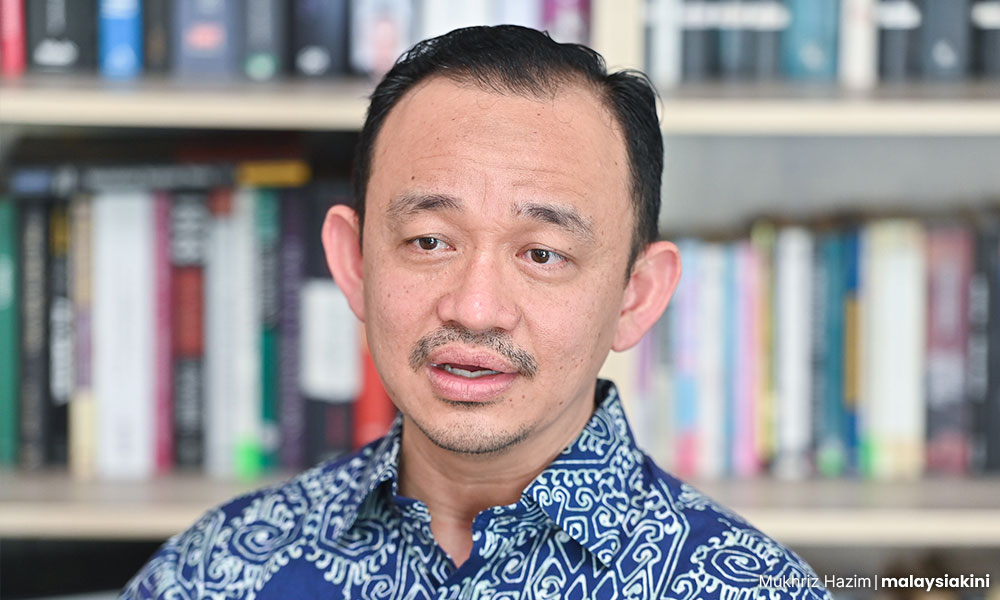
With the recent debacle whereby former education minister Maszlee Malik revealed to the public a memo that was allegedly distributed to all Universiti Kebangsaan Malaysia (UKM) academics prohibiting them from making public statements, it seems apt that we talk about academic freedom in Malaysia.
We seem to have quite a history of trying to silence our academics from speaking their minds.
In 2011, law professor Aziz Bari was suspended from his position at the International Islamic University for statements he made on the politics of the state. He eventually lost his job.
In 2014, Muhammad Redzuan Othman had to vacate his position as Universiti Malaya Centre for Democracy and Elections director, allegedly for unfavourable research findings.
That same year, UM law lecturer Azmi Sharom was charged with sedition based on a statement he made in a news article regarding the then Selangor menteri besar crisis.

Yes, these incidents happened a relatively long time ago and we have yet to see similar incidents happening now, but the issue with the alleged UKM memo is concerning.
In response to the issue of the memo, UKM has made a statement saying that the university celebrates differences in opinion and no academic is barred from making statements whether verbally, in writing or on social media.
However, criticism should be made properly, maturely and through good communication procedures supported by facts and the environment of scientific discipline and expertise.
The statement made by UKM is all well and good and can be taken in good faith, but it does beg the question if UKM’s statement actually falls short of denying the memo.
Also, can we actually ensure that the statement can carry some legal weight to protect the academics when they actually do make comments later on so that they won’t be penalised if the university suddenly decides to go back on their word?
Respected members of society
I am a big proponent of academic freedom because it is through our honoured and respected academics that our country and society can progress and develop.
Even Maszlee, during his time as the education minister, had voiced out his efforts of wanting to ensure academic freedom by attempting to make amendments to Act 605, a law on discipline in statutory bodies.
For some reason, I am reminded of a quote from the Prophet Muhammad which went something to this effect: “He is not from my followers, he who does not respect his elders, who does not show mercy to the young and who does not give due right to a scholar.”
To me, it shows that scholars and academics are to be seen as respected members of society, and we need to give heed to their expertise and opinions.

It would be the day when Malaysia enacted a law that would put in place tenureship for esteemed academics in our country.
It may sound like a far-fetched idea at the moment, but maybe if we push more and have more discourse, the government could consider prioritising academic freedom just as much as they should also prioritise freedom of speech and the media.
We don’t even need to practise tenureship. At least have something in writing that doesn’t restrict our academics from talking.
[ This article was originally written for and published at Malaysiakini.com]
Get Zan Azlee’s best-selling book ‘Liberal, Malay and Malaysian‘ today!

Buy more Fat Bidin books, films and merchandise at The Fat Bidin Store!

 FATBIDIN.COM